

bet559 Sports betting in Brazil in 2026: schedule, scores, and league insights
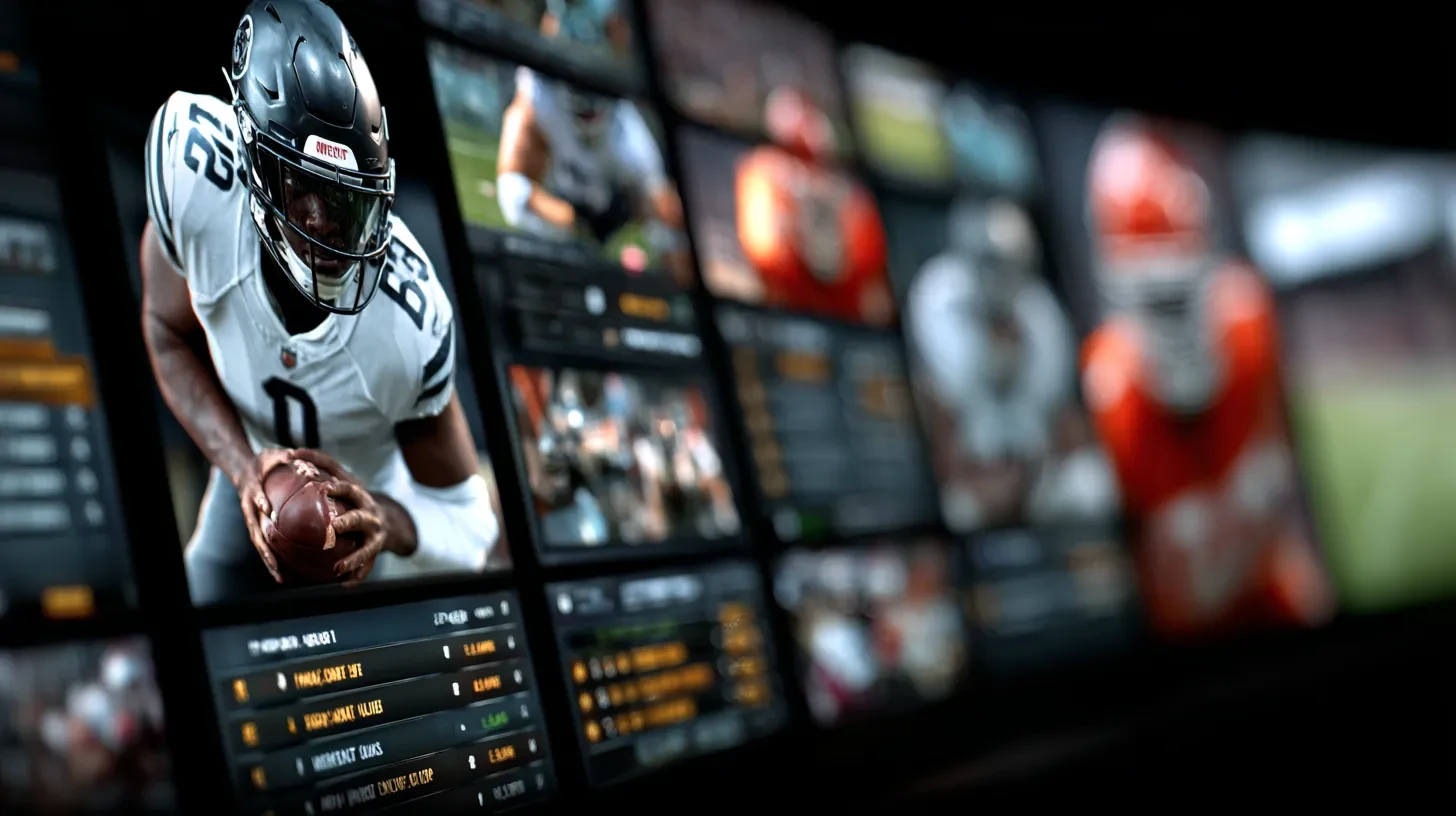
Following a season is easier when the schedule, results, and context are presented together. This bet559 page brings together references for those who want to understand the football and other competition schedules, compare teams’ recent form, and see how a round can affect the race for different objectives. The focus is sports information: scheduled matches, confirmed scores when available, performance trends, and points to watch for the next broadcast.
For beginners, the aim is to explain what to look for before and after a game without requiring familiarity with advanced statistics. Those who already follow championships can use the same criteria to organize a more careful analysis: run of games, home or away performance, rest between fixtures, and general team news. The bet559 app can be useful for checking updates on smaller screens; always check the local time and date shown alongside each event.
Competition schedules may change due to decisions by organizers, weather, or international commitments. So use this information as a guide and confirm the latest details on the competition page. No past run guarantees the outcome of a future match.

Match Centre
Upcoming ties. Check the date and start time before you follow live.
How to interpret the schedule and plan your sports week
Start with the schedule, not a prediction
A useful schedule first answers straightforward questions: who is playing, in which competition, on what date, and at what time in the Brazilian time zone. Then, consider whether the matchup is part of a regular round, a knockout tie, or a decisive stage. The format changes how you interpret it: in two-legged matches, for example, strategy may depend on the aggregate score; in a round-robin league, consistency over several rounds tends to be more representative than a single fixture.
When checking tomorrow’s games or the round schedule, make sure the displayed time has been converted to Brasília time. International competitions may feature matches across different time zones, and schedule changes happen. A good routine is to review the list at the start of the day and again shortly before the event begins, especially when rain is forecast, travel is lengthy, or the organizers announce changes.
It is also important to distinguish confirmation from prediction. A match listed on the schedule does not mean all lineups have been finalized. Suspensions, injuries, and coaching decisions can change the squad list until shortly before kickoff. Rather than treating a probable lineup as fact, look for an update notice and the source of the information. This helps avoid confusing editorial expectations with an official announcement from the club or league.
Context that helps compare matchups
To understand a matchup, start with each team’s recent run and ask who they played. A string of results on its own does not tell the whole story if the opponents, home advantage, and time between matches differ. Also consider the accumulated schedule: clubs involved in continental tournaments may rotate starters or manage playing time, while a team with a free week may have had more time to prepare.
Home and away splits add context, but should not be used on their own. Strong home performance may reflect familiarity with the pitch and local support; away from home, travel and the environment affect preparation. Compare equivalent periods and avoid drawing conclusions from just a few games. When data on shots, possession, or goals conceded is available, consider it together, because a single metric can hide tactical differences.
For beginners, a simple checklist works: competition, position in the standings, recent fixtures, rest, and general team news. More advanced readers can add attacking output, defensive consistency, and performance by match period. In either case, keep the analysis open to uncertainty: statistics describe observed trends; they do not determine what will happen on the field.
A practical checklist before kickoff
First, identify the event’s sporting significance: a race for the top spot, closing in on a continental qualification place, a fight against relegation, or advancement to the next stage. Next, check the venue and pitch conditions, if that information is available. Then read team news carefully, noting the difference between an injured player, a doubtful player, and a player being rested. These terms are not interchangeable and may be updated throughout the day.
Next, compare the last five matches as a reference, not a fixed rule. Check whether the results came in different competitions, whether there was travel, and whether the team faced opponents with varied styles. A team may have strong possession numbers without creating clear chances; another may defend deeper and produce dangerous transitions. Tactical context makes the data more useful and avoids reducing the analysis to a simple count of wins.
Finally, decide how to follow the match: broadcast, score updates, or a post-match recap. If you cannot watch live, note the time and consult a recap that separates confirmed facts from commentary. This organization makes the experience more informative, helps you compare expectations with what happened, and keeps the focus on the sport, the teams, and the competition’s progress.
Competitions to follow: season stories and data
The highlights below are coverage references for 2026, not confirmation of specific matches. Check the updated schedule to verify dates, matchups, and lineup availability. Each competition offers a different kind of narrative: consistency in long leagues, tension in knockout tournaments, or comparisons of styles in international competitions.

Premier League
English football. The competition combines an intense pace with demanding schedules. Compare clubs’ recent form, their run of home and away games, and the impact of European commitments before assessing the table.
Explore the competition
La Liga
Spanish football. The season offers a chance to observe different approaches to build-up and pressing. Follow the gaps between areas of the table and check whether the recent run came against opponents with similar profiles.
Explore the competition
Serie A
Italian football. Defensive organization, tactical variations, and the continental schedule help shape the analysis. Look at goals scored and conceded across an adequate sample, without drawing conclusions from a single round.
Explore the competition
Bundesliga
German football. The competition features high-intensity matches and rapid changes in the standings. Follow attacking output, home-team consistency, and rest periods between commitments.
Explore the competition
Champions League
European football. The format and stage of the competition change the significance of each matchup. Check the stage rules, group or bracket situation, and possible effects of the domestic schedule on clubs’ preparation.
Explore the competition
NBA
Basketball. Runs of games and travel can affect team rotations. To assess recent form, compare offensive and defensive efficiency, roster availability, and performance in back-to-back games.
Explore the competition
Wimbledon
Tennis. The tournament features knockout matches on a surface that rewards adaptability and serving quality. Follow the draw, the stage of the competition, and the players’ recent records on grass.
Explore the competition
UFC
Mixed martial arts. Fight cards can change because of injuries or scheduling adjustments. Check the official bout order, weight class, and athletes’ public records; do not treat rumors as confirmation from the organization.
Explore the competition
Brazil national team
International football. International breaks can include friendlies and official matches over short periods. Follow the squad announcement, fitness, and changes in roles, always distinguishing confirmed information from expectations about the lineup.
Explore the competitionScore, standings, and form: how to read the numbers
What a result shows
A score confirms the outcome, but does not summarize performance on its own. Combine the result with possession, shots, cards, and match context when those data are available.
Published statistics may be revised. Check the update time and prefer records identified as official or confirmed.
Criteria for following an updated table
- ◆ Points and matches: compare matches played before assessing position, since teams may have different schedules.
- ◆ Goal difference and goals: use these indicators according to the competition’s specific rules, without assuming the tiebreaker is always the same.
- ◆ Recent form: look at a defined run, such as the last five matches, and note the competition and whether the team was home or away.
- ◆ Update: pending results, postponed matches, and disciplinary decisions may change the published standings.
Frequently asked questions about schedules and scores
How do I find today's games on bet559?
Visit the scores section and select the date corresponding to Brazilian time. The schedule may include different sports and competitions, so check the league name, time, and event status. Postponed matches or those with schedule changes should be checked again closer to kickoff, as official updates may come after the initial publication.
What does a team's recent form mean?
Recent form is a snapshot of results and performance in previous matches, often presented as a short sequence. To interpret it, consider the opponents, home advantage, competition, and time between matches. This indicator helps summarize trends, but it does not predict the next result or replace analysis of the squad or tactical context.
Why can the standings change after a match?
When a result is confirmed, points, matches played, and tiebreakers can change the positions. Some competitions also have pending matches, administrative decisions, or their own regulations. Check the update date and read the league rules before comparing clubs that have not yet played the same number of matches.
Are lineups shown before a match final?
Not necessarily. A preview, probable lineup, and confirmed team are different categories. The official lineup is usually announced close to kickoff and may change due to injury, a coaching decision, or suspension. When checking squad news, note the publication time and source; preliminary information should not be treated as a confirmed announcement.
How do I compare results from different leagues?
Compare the numbers with caution, because formats, pace, regulations, and the level of opponents vary between competitions. Rather than placing tables side by side without context, look at trends within each league and use equivalent indicators, such as matches played or recent form. Comparisons are more meaningful when they include the schedule, home advantage, and overall squad availability.
Follow the next round with context
Organize your reading around the schedule, scores, and pre-match analysis. Check for updates, verify news sources, and remember that sports involve uncertainty: no statistic guarantees an outcome. Take breaks, keep your coverage balanced, and enjoy it as sports information.
To find other pages and references for the project, visit bet559.fun.
Follow responsibly: past results do not determine future matches, and sports information should be enjoyed in moderation.